PUMA Suede and Speedcat Celebrated at Paris Fashion Week Pop-Up
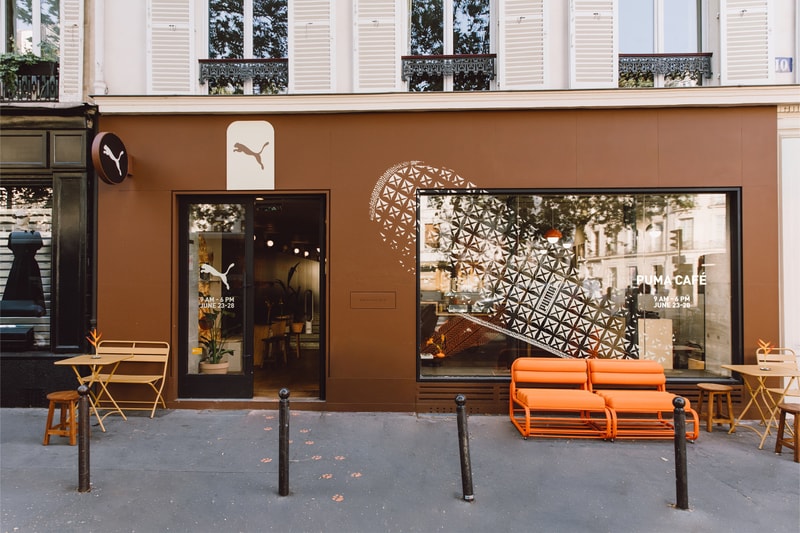
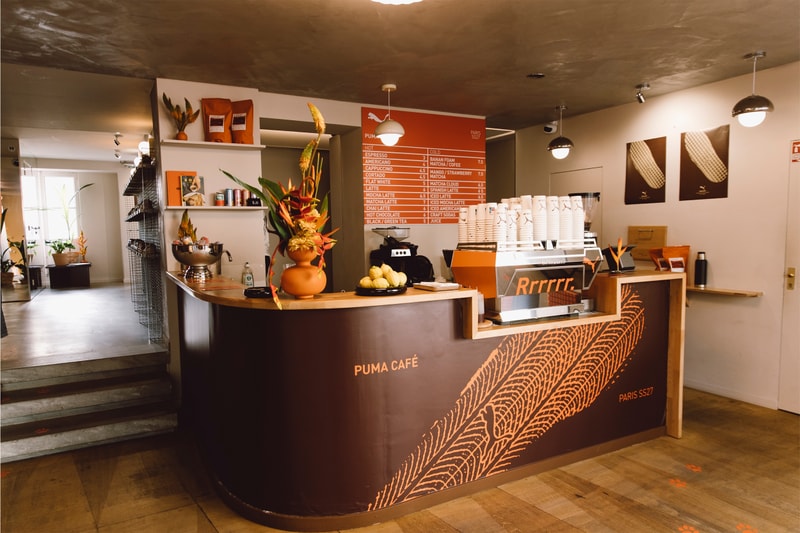
PUMA activated a limited-run café concept during Paris Fashion Week, positioning two of its most storied silhouettes—the Suede and the Speedcat—as anchors for a cultural moment that blended footwear, hospitality, and sound. The four-day pop-up merged retail, café culture, and curated programming into a single physical space.
 By Jordan Ellis
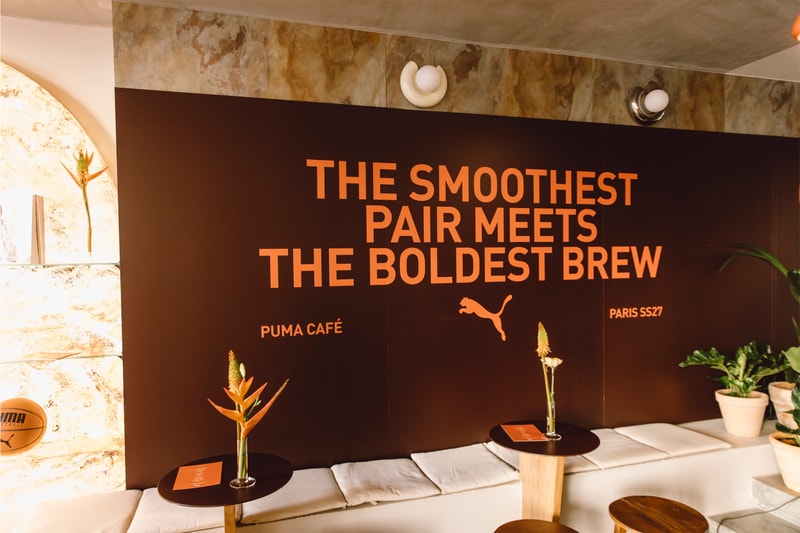
The intersection of sneaker culture and high fashion continues to offer fertile ground for brand experimentation. PUMA's latest move at Paris Fashion Week demonstrates this convergence with precision: the brand opened PUMA Café, a hybrid pop-up that functioned simultaneously as a footwear showroom, beverage destination, and curated social space.
Operating from June 24 through June 28, the activation placed the Suede and Speedcat at its conceptual center—a deliberate pairing that speaks to PUMA's design lineage. The Suede, introduced in 1968, carries the weight of decades-long adoption across basketball, hip-hop, and European street culture. The Speedcat, PUMA's racing-inspired silhouette, represents the brand's motorsport heritage and its ability to translate performance engineering into lifestyle footwear. By presenting both within a café setting during Fashion Week, PUMA positioned these models not as relics but as living elements of contemporary style.

Design Legacy
The Suede's presence at such an event underscores its persistent cultural relevance. Its simple construction—suede upper, rubber sole, minimal branding—has proved endlessly adaptable across colorways and collaborations without sacrificing its core identity. The Speedcat, by contrast, carries motorsport DNA in its low-slung silhouette and performance lineage, making it an interesting counterpoint to the court-rooted Suede.
By housing both within a café concept, PUMA avoided the typical showroom format in favor of something more permeable and social—a space where footwear could be encountered amid drinks and ambient sound rather than isolated on shelving.
Curation and Sound
The programming reinforced this cultural positioning. DJ and producer Timothée Joly and artist Kofi Bæ handled sound curation, suggesting that PUMA understood this space required more than visual merchandising. The auditory dimension—electronic, likely contemporary, definitely French—anchored the experience in present-day culture rather than nostalgia.
The Broader Context
Fashion Week activations from heritage sneaker brands have become increasingly sophisticated. Rather than treating footwear as ancillary to runway spectacle, PUMA committed to a standalone destination that invited sustained engagement. The café model—offering consumables alongside product—positions sneakers within a lifestyle narrative rather than as discrete objects of desire.
This approach also reflects a broader shift in how brands activate during Fashion Week. The agenda has expanded beyond presentations and shows to include experiential retail concepts that operate on Instagram-friendly scale while maintaining editorial credibility.
FAQs
When did PUMA Café operate during Paris Fashion Week? The pop-up ran from June 24 through June 28, coinciding with the broader Paris Fashion Week calendar.
What silhouettes were featured at PUMA Café? The Suede and Speedcat were the primary models showcased, both iconic to PUMA's heritage across lifestyle and performance categories.
Did PUMA Café function as a retail location? Yes—the space doubled as both a café and showroom, allowing visitors to purchase footwear alongside food and beverages.
Puma under retail
Browse Puma items priced below retail on StockX
Release Info
PUMA Café was a limited-run pop-up activation (June 24–28, Paris) and is not available for ongoing purchase. The Suede and Speedcat remain available through standard PUMA retail channels and authorized retailers.