Nike and Jordan's Priciest Retail Releases: A History
Nike and Jordan Brand have repeatedly tested the upper limits of sneaker pricing, releasing premium offerings that range from technologically advanced runners to limited collectible silhouettes. These high-ticket drops reveal how both brands have navigated the tension between exclusivity, innovation, and market demand—with mixed results.
 By Ava Rodriguez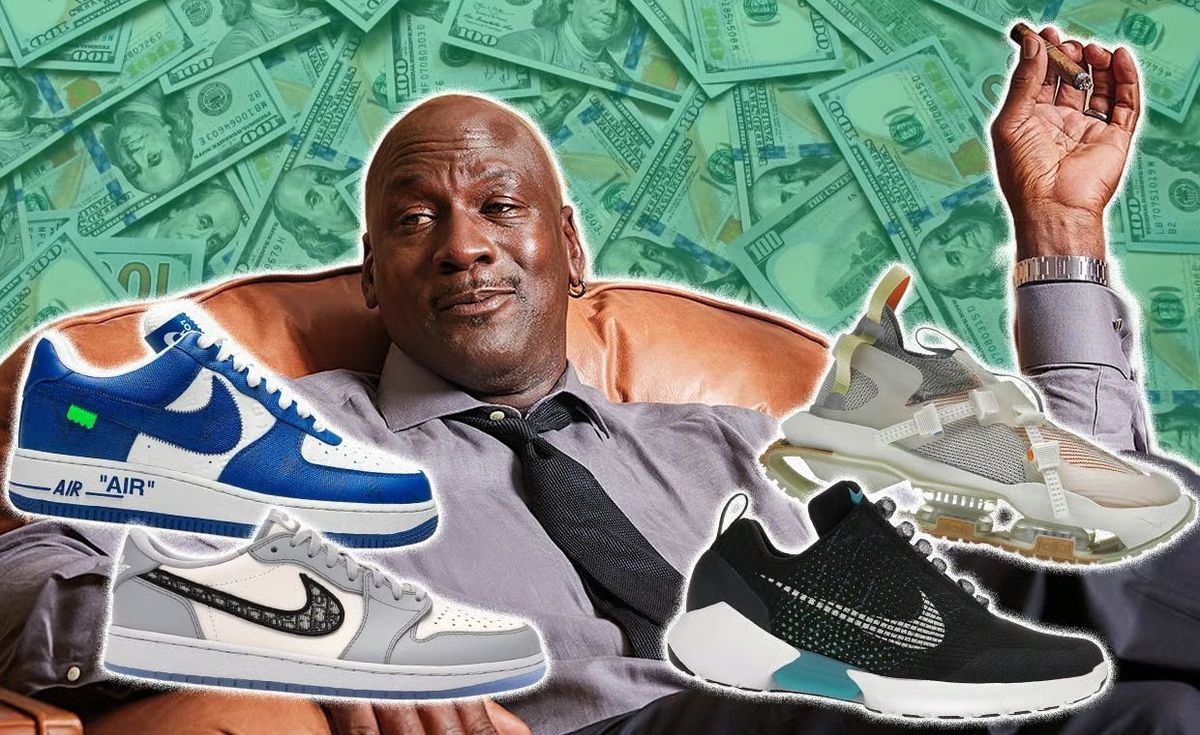
The Premium Gambit
Nike's relationship with luxury pricing tells a story of ambition, experimentation, and occasional misstep. Over the past two decades, both Nike and Jordan Brand have launched a series of retail releases that pushed well beyond the standard $120–$180 price ceiling, testing whether consumers would pay significantly more for technology, materials, design prestige, or scarcity alone.
Nike HyperAdapt 1.0: The $720 Innovation Statement
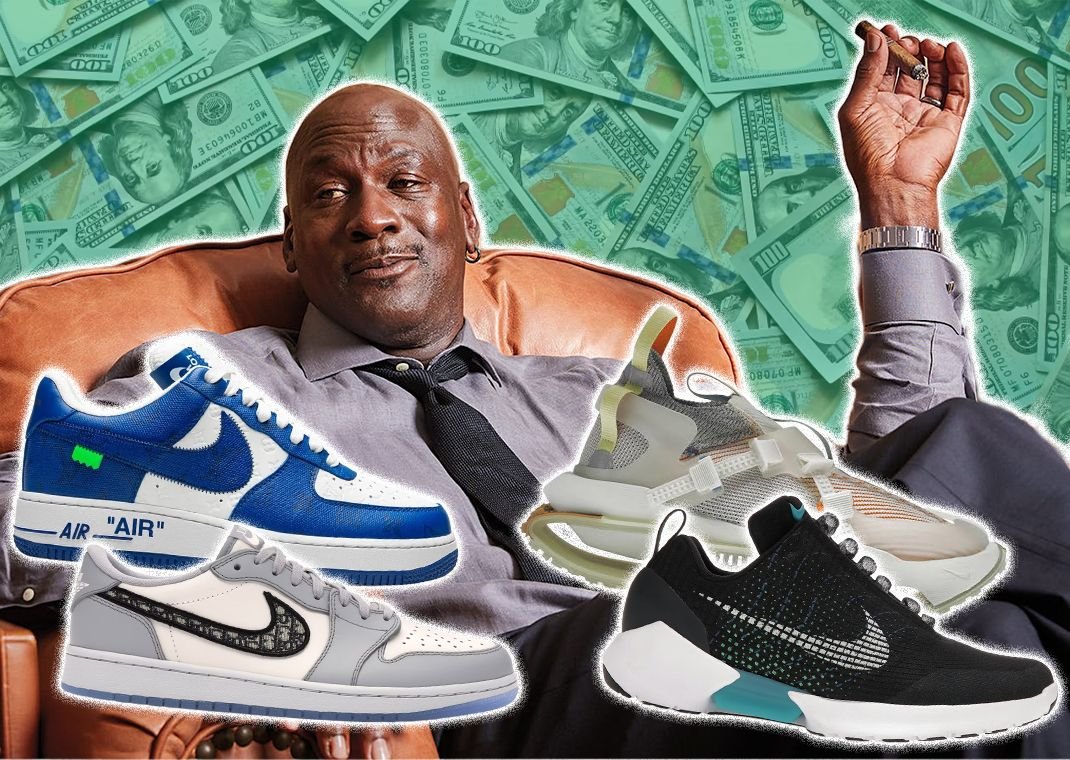
The Nike HyperAdapt 1.0 represents the brand's most aggressive pricing in the running category. Launching at $720, the self-lacing runner arrived as a technological follow-up to the 2016 Nike Mag raffle (which required only a $10 entry fee). The HyperAdapt 1.0 offered the appeal of accessible innovation—consumers could actually purchase the future of footwear without winning a lottery. The technology required charging to function properly, a friction point that undercut its premium positioning. Despite initial curiosity, the HyperAdapt line stalled; Nike discontinued the companion app in 2024, leaving the model frozen in development limbo.
Nike ISPA Road Warrior: Design Over Marketability
Priced at $500, the Nike ISPA Road Warrior exemplified the brand's experimental division ethos: Improvise, Scavenge, Protect, and Adapt. The shoe was a deliberate departure from conventional sneaker design—modular components held without adhesive, double-stacked cushioning, and lacing systems that challenged conventional assembly. The silhouette resembled a patchwork of Nike references and entirely novel construction, including Japanese split-toed boot inspirations. At $500, the Road Warrior arrived with a price tag proportional to its unconventional engineering, which ultimately limited its audience to the design-forward minority.
Air Jordan Pinnacle Series: The Luxury Bid That Didn't Land
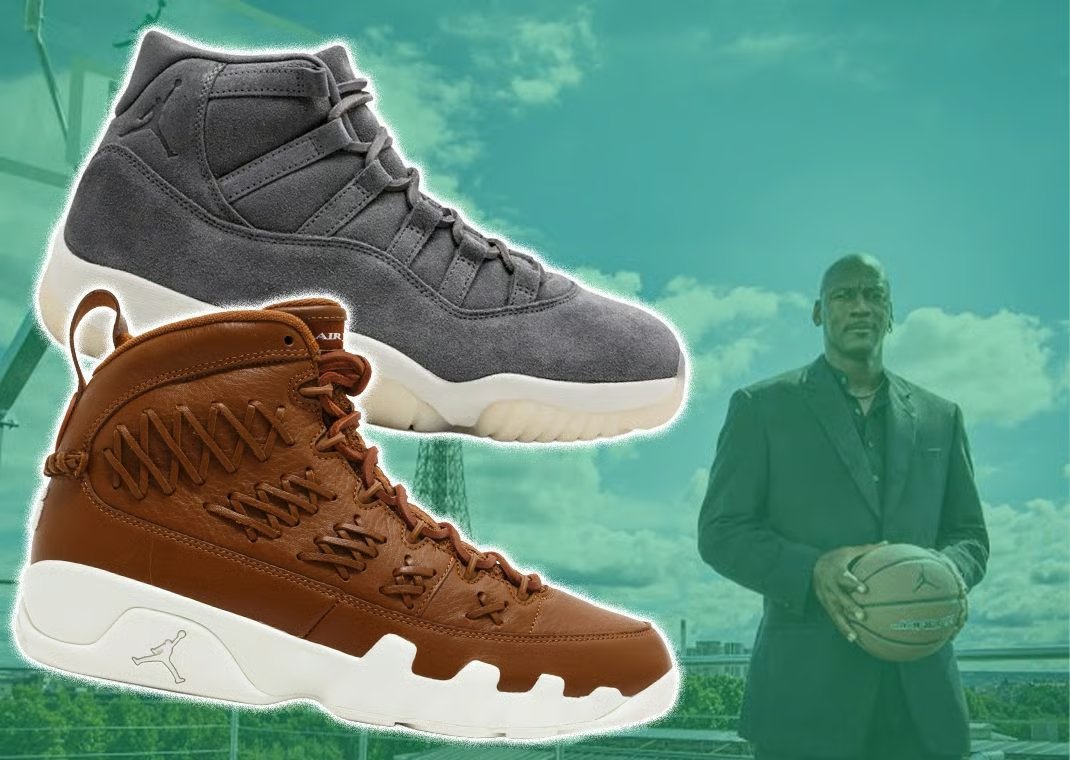
Launched in 2015 at $400, the Air Jordan Pinnacle series represented Jordan Brand's first serious attempt to compete in the luxury sneaker space. The initiative dressed the Air Jordan 1 and other classics in vachetta tan leather, faux crocodile textures, and finishes that mimicked the aesthetic vocabulary of Gucci and Versace. The strategy was clear: if the silhouette was icon enough, premium materials would justify premium pricing. The market disagreed. After the Air Jordan 11 Pinnacle release in late 2016, subsequent drops fell to $250—a tacit acknowledgment that premium materials alone couldn't justify the price premium. Jordan Brand would eventually find its footing in luxury positioning through a different avenue: scarcity and collectibility.
Nike LeBron X+ Sport Pack: The Tech Tax That Backfired
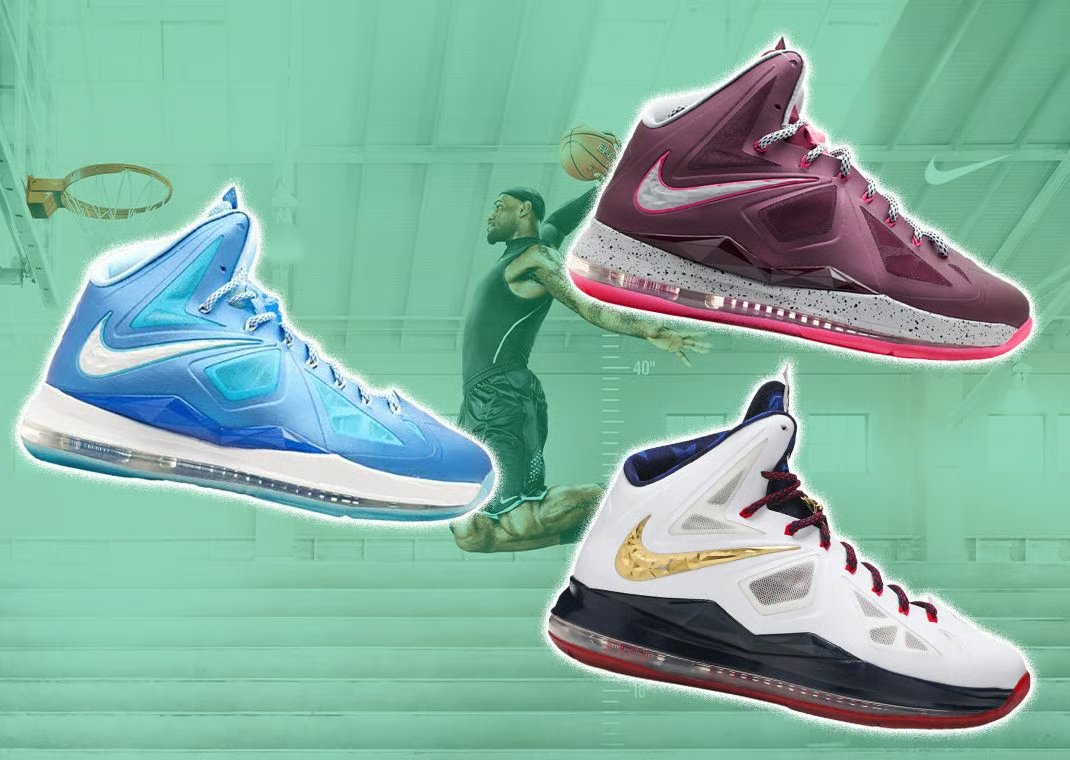
In 2012, Nike charged $315 for the Nike LeBron X Sport Pack, justified by the inclusion of embedded Nike+ sensor technology. The non-connected LeBron X sold for $180, creating a $135 premium for wireless data tracking via iPod—a proposition that seemed forward-thinking until it actually reached consumers. The mainstream media and sneaker community erupted in backlash, forcing Nike to cut the price to $275 within weeks. The episode illustrated an early lesson in premium positioning: technology alone, especially when it adds friction or complexity, doesn't guarantee acceptance at luxury tiers.
Air Jordan BIN 23: Limited Supply as Luxury Anchor
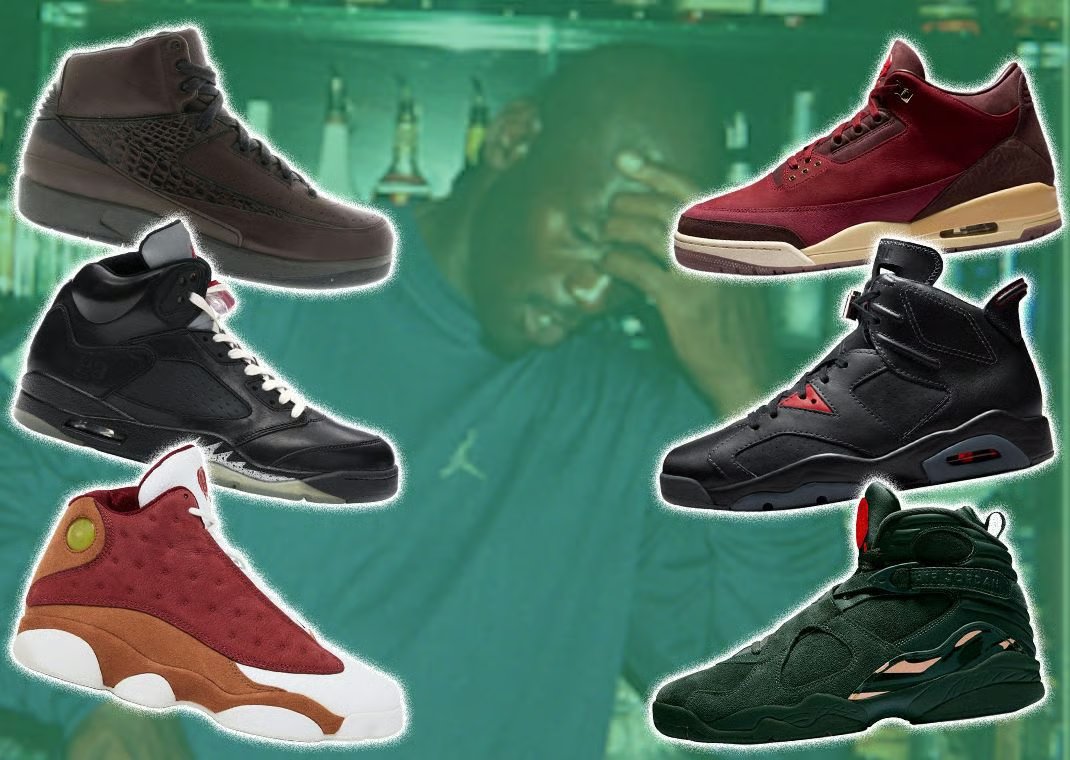
Originally priced at $175 in 2010, the Air Jordan BIN 23 series borrowed its positioning from wine collecting and fine art: exclusivity through scarcity. Limited to low-thousand production runs, the BIN 23 featured premium materials, bespoke designs, and a wax seal that conveyed collectibility and craft. The strategy worked—demand remained strong. As of 2026, Jordan Brand reissued the BIN 23 at $355, roughly double the original retail, betting that 15 years of cultural appreciation would justify the price increase. This relaunch will test whether the original's prestige has aged into genuine legacy status or if nostalgia alone cannot sustain a 103% retail increase.
Nike Cryptokicks iRL: When Digital Met Skepticism
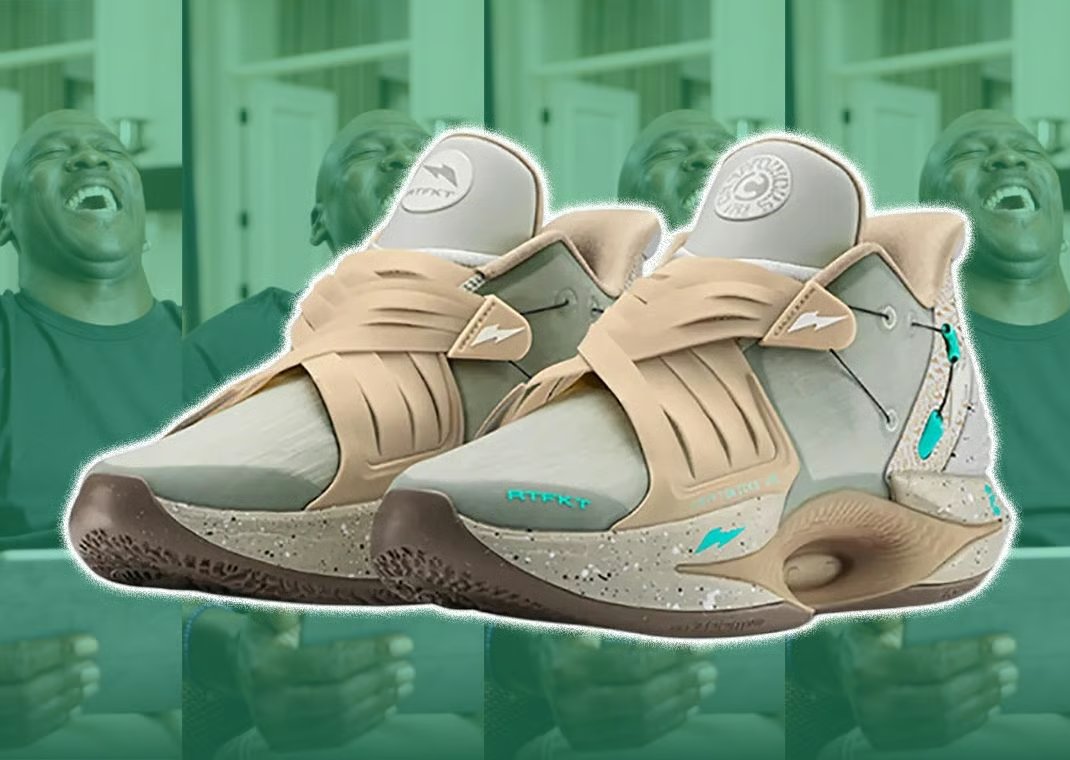
In the height of the NFT frenzy (2021–2022), Nike acquired digital collective RTFKT and created the Cryptokicks iRL—a physical sneaker sold via blockchain redemption using Ethereum. Priced at approximately 0.38 ETH (~$400 in November 2022), the initiative represented Nike's bet that customers would purchase both physical and digital wearables simultaneously. The experiment collapsed almost immediately. The metaverse proved less compelling than predicted, Ethereum's volatility undermined the value proposition, and most consumers found the digital-only aspect hollow. The entire era now reads as a cautionary footnote in brand history.
Nike Atelier Merc Premium: The Continuing Experiment
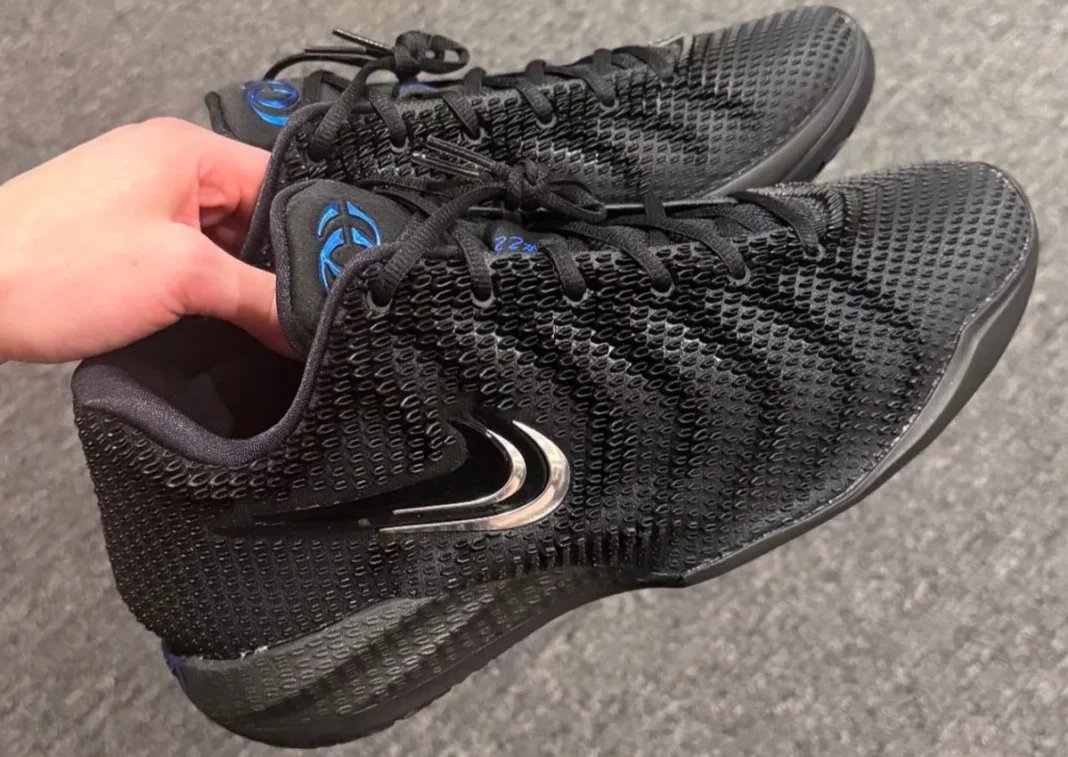
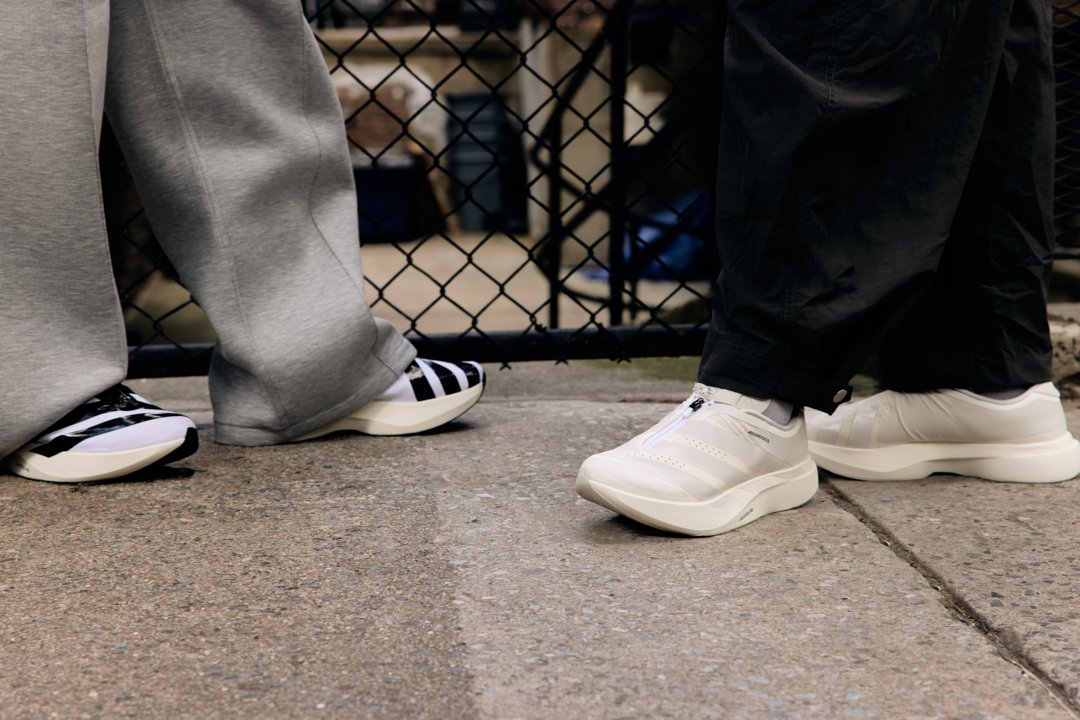
The newly announced Nike Atelier initiative represents the latest iteration of the premium push. The Atelier Merc Premium, priced at $450, hybridizes the Pegasus Premium tooling with the 1998 Mercurial soccer boot upper—a design mashup that signals Nike's return to high-end positioning without relying on gimmicks like NFTs or divisive tech sensors. Unlike past premium lines, Atelier carries no explanation other than premium materials and design cachet. Whether this minimalist luxury positioning resonates depends entirely on whether the public accepts Nike as a fashion-forward brand on par with heritage athletic companies and contemporary luxury houses.
Market Reality
These releases collectively demonstrate that premium pricing in sneakers requires more than a higher sticker price. The most successful efforts—the original BIN 23, the HyperAdapt 1.0's coolness factor despite its shortcomings—operated on scarcity, genuine innovation, or narrative weight. The least successful—the LeBron X+ Sport Pack, the Pinnacle series, the Cryptokicks—confused consumers about what they were actually paying for. Meanwhile, standard Nike releases continue to move at steep discounts; current market tracking shows 83 Nike deals averaging 40% off across major retailers, suggesting that even flagship models struggle to hold retail value.
FAQs
What was the most expensive Nike sneaker sold at retail?
The Nike HyperAdapt 1.0 self-lacing runner holds the distinction at $720, followed by the Nike ISPA Road Warrior at $500. Both were positioned as innovation-led premium offerings.
Why did the Nike LeBron X+ Sport Pack price get reduced?
Nike cut the LeBron X+ from $315 to $275 after significant backlash from consumers and mainstream media, who felt the $135 premium over standard models was unjustified for embedded Nike+ tracking technology.
Is the Air Jordan BIN 23 reissue at $355 worth the premium over 2010 retail?
The 103% price increase reflects both inflation and the model's rarity prestige over 16 years, though market acceptance of the new pricing remains to be seen.
Nike under retail
Browse Nike items priced below retail on StockX
Release Info
Nike Atelier Merc Premium
- Retail Price: $450
- Status: Available via SNKRS Reserve preorder
- Release Date: Current (preorder active)
- Key Details: Hybrid silhouette combining Pegasus Premium tooling with OG 1998 Mercurial upper
Air Jordan BIN 23 (2026 Reissue)
- Retail Price: $355
- Status: Upcoming (2026)
- Original Retail (2010): $175
- Key Details: Limited production run; premium materials with wax seal certification