LeBron's Nike Diagnosis Misses the Mark on Modern Cool
LeBron James recently diagnosed Nike's reputation and stock price decline as a loss of street credibility and youth engagement, advocating a return to the grassroots approach of his playing prime. But his prescription—sending reps back into inner-city communities and invoking the cool factor of Deion Sanders and Ken Griffey Jr.—misreads how contemporary young people actually relate to sneakers, celebrities, and sportswear brands.
 By Ava Rodriguez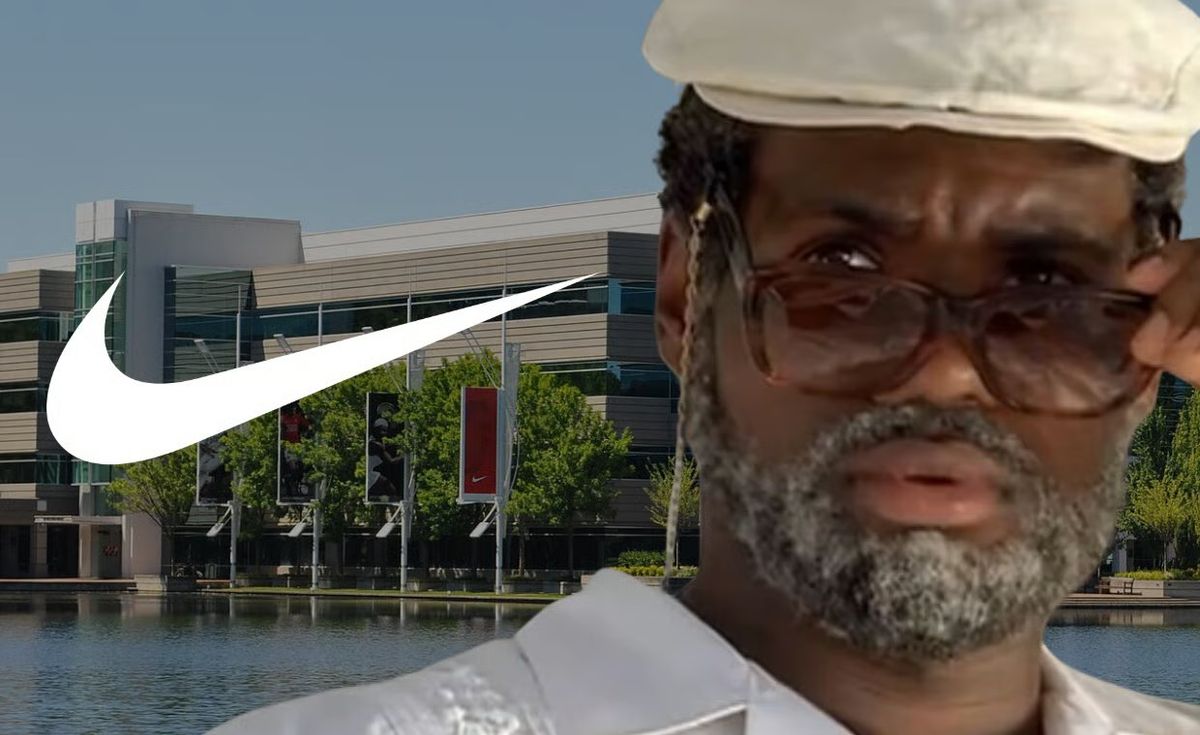
LeBron's Prescription: Look Backward
At Fanatics Fest, LeBron James sat down with Rich Kleiman to address Nike's recent struggles. When asked what the brand should do to restore its standing, James offered a familiar remedy: return to the streets. Get back into the communities. Deploy runners who understand youth culture. His reference points were the generational stars he grew up watching—Jordan, Deion Sanders, Bo Jackson, Barry Sanders, Ken Griffey Jr.—athletes who carried an undeniable cool that transcended sport and shaped sneaker culture itself.
The logic is seductive in its simplicity. Those figures did move shoes. They were cool. But there's a fundamental problem with this diagnosis: LeBron James is forty-one years old, and the world that made those athletes cultural anchors no longer exists.
The Ground Has Shifted
LeBron's assertion that Nike has abandoned the inner city doesn't align with current industry reality. The brand hasn't retreated from youth markets—it has simply changed how it operates within them. NIL money and player development deals now fill the space once occupied by casual street sampling. At the EYBL Peach Jam, Nike created exclusive PE pairs for elite youth players, leveraging social capital and peer envy in ways that mirror old-school cool-hunting but operate through modern incentive structures.
Yet the perception persists that sneakers matter less to young people than they once did. The culprit isn't Nike's absence from communities; it's the transformation of adolescence itself. Modern youth are hyperscheduled, surveillance-saturated, and screen-dependent. Mall culture has evaporated. The hours kids once spent loitering in sneaker shops, debating Jordan colorways and Dunk releases with peers, now dissolve into gaming, TikTok, and Instagram. Free time isn't abundant. Lingering isn't valued. That shift affects every brand equally—and no street team can reverse it.
The Economics Don't Work
There's also the matter of price. When LeBron was building his sneaker obsession, Dunk releases sat at sixty-five dollars and high school kids could fund their collections through part-time retail work. That economy no longer exists. A two-hundred-dollar retail floor excludes most teenagers unless family wealth subsidizes the hobby. Nike's pricing strategy—a response to wholesale consolidation, manufacturing costs, and direct-to-consumer margins—has priced out the aspirational youth market that once drove cultural momentum. No amount of community outreach resolves that structural constraint.
The Influencer Problem Is Real, But Different
LeBron also occupies a unique vantage point that obscures his analysis: he has been releasing signature shoes professionally since his early twenties, operating in an era when a single superstar athlete could be the sole arbiter of sneaker taste. That monoculture no longer exists. The influencer landscape has fractured across streamers, social media personalities, and niche communities, with no single figure commanding universal cool. Kai Cenat or PlaqueBoyMax may have millions of viewers, but parasocial relationships with streamers don't reliably translate to gear sales. More often, contemporary influencers follow trends rather than establish them.
Even when Nike deploys the right athletes and personalities, the marketing execution has suffered. Gone are the cinematic, campaign-driven narratives that once defined Nike's approach—spots like "The LeBrons" that became cultural moments in their own right. Today's viral discussions tend to happen organically and mockingly, often in the form of fan-made AI-generated ads for players like Victor Wembanyama and Jalen Brunson (neither of whom has a signature shoe). The machinery of cultural production has become decentralized and harder to control.

What Actually Needs to Happen
LeBron's entire framework is backward-looking, which makes sense for a player in the final chapters of his career reflecting on the landscape that made him. But nostalgia isn't strategy. Nike's recovery won't come from recreating the 1990s or the 2000s—it will come from bold innovation in product design, brand positioning, and cultural relevance that speaks to how the world is, not how it was.
The brand has released countless retros and retro-inspired silhouettes in recent years. Few, however, seem destined to become retros themselves—to carry the kind of cultural weight that justifies their existence fifteen years from now. That requires brands to take meaningful creative risks, to sign artists and athletes before they're guaranteed hits, to produce campaigns that fail occasionally in pursuit of breakthrough moments. Currently, the industry risk-aversion is palpable. Everything waits for a sure thing. That approach yields quarterly wins but rarely generates the organic, uncontrollable cool that defined Nike's golden eras.

LeBron has the credibility to speak about sneaker culture. He lacks, however, the insight into generational shifts that would make his diagnosis actionable. Nike's problem isn't that it left the streets. It's that the streets—and the way young people understand cool—have fundamentally changed. No amount of returning to first principles will fix that.

FAQs
What did LeBron James say about Nike's problems?
LeBron suggested Nike return to grassroots community engagement, citing the cultural dominance of 1990s and 2000s athletes like Michael Jordan, Deion Sanders, and Ken Griffey Jr. as evidence that personal cool factor and street-level brand presence drive sneaker culture and sales.
Why is LeBron's advice considered outdated?
Youth culture, economics, and media consumption have transformed dramatically. Modern adolescents have less free time, higher sneaker prices relative to income, fragmented media attention across multiple influencers, and reduced mall and street culture. LeBron's framework doesn't account for these structural shifts.
Where is Nike facing challenges right now?
Nike is managing stock price pressure, reputational concerns, and perceived cultural irrelevance among younger consumers. The brand's marketing campaigns have become less cinematic and culturally dominant than in past decades, while its retail pricing has outpaced youth purchasing power.
Nike under retail
Browse Nike items priced below retail on StockX
Release Info
This is a commentary piece rather than a product release announcement. Currently, KicksUnderCost is tracking 84 Nike deals across major retailers, with prices averaging 39% off retail. Recent notable discounts include the Nike IYKYK Dri-FIT Running T-Shirt at Nordstrom Rack for $10 (70% off).