
Foot Locker Celebrates 50+ Years of Sneaker Culture
Foot Locker has released a retrospective campaign that condenses more than five decades of sneaker culture into a two-minute film, tracing the retailer's role in shaping how sneakers moved from athletic courts into everyday fashion. The spot—titled "It Will Always Be Foot Locker"—threads together iconic moments, athletes, and silhouettes that defined each era.
 By Ava Rodriguez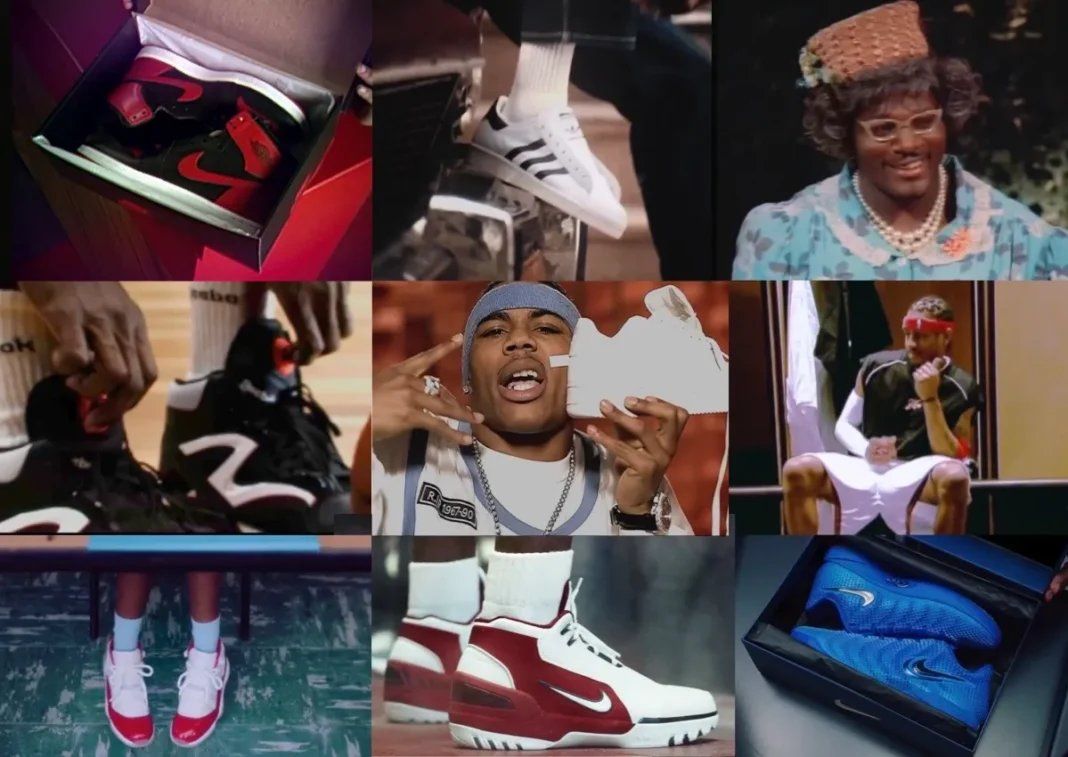
The Through-Line of a Half-Century
Foot Locker's latest campaign functions as a cultural document, threading together the disparate eras that have defined sneaker culture since the retailer's founding. The two-minute spot doesn't simply list shoes and names; it captures the fundamental shifts in how footwear has been worn, purchased, and valued across generations. What emerges is a narrative arc that mirrors the industry itself—from specialist performance wear to the dominant force in contemporary style.
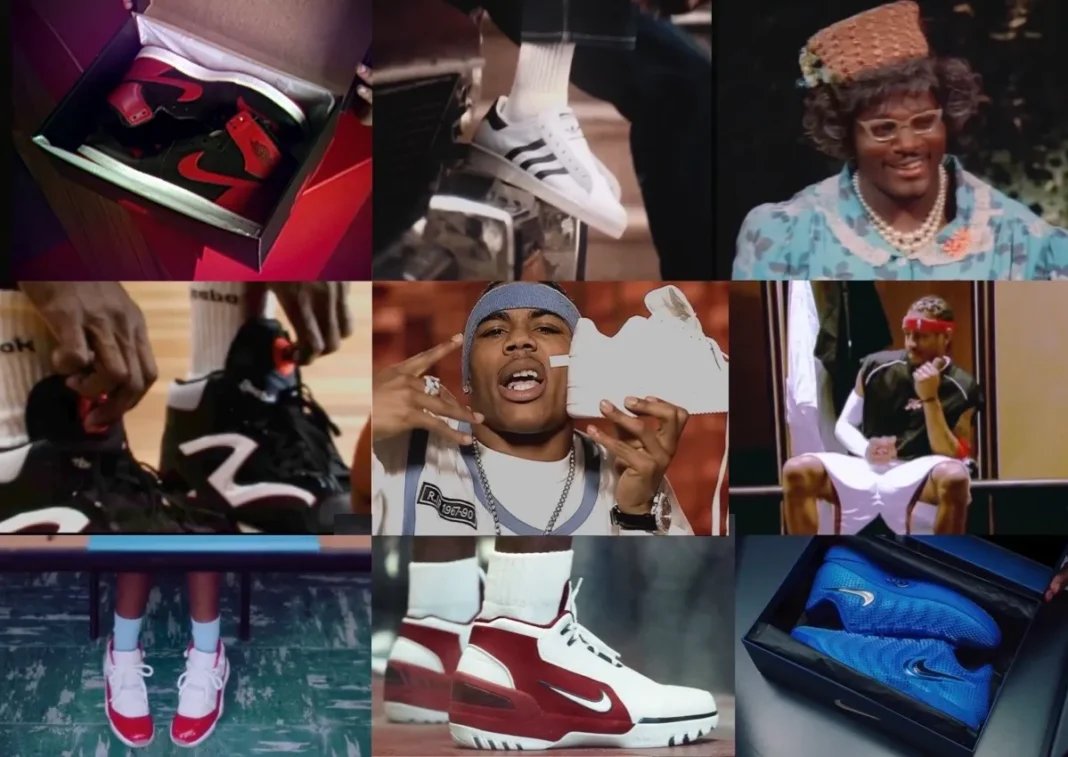
The commercial opens with the adidas Stan Smith, a shoe whose tenure in the cultural conversation has outlasted most collaborations and hype cycles. This choice is deliberate: the Stan Smith represents the earliest phase of sneaker culture that Foot Locker's audience would recognize, a moment when athletic endorsements still felt tied to actual athletic performance.
Basketball as the Connective Tissue
From there, the campaign pivots to basketball, the sport that would ultimately define sneaker culture's commercial and cultural ascent. Moses Malone appears alongside the Nike Air Force 1 in its classic white-and-red colorway—a silhouette that predates the modern sneaker boom but would become foundational to it. The narrative then accelerates through the sport's pivotal moments: Michael Jordan's 1985 arrival, which fundamentally altered how athletes could monetize their on-court presence; Dee Brown's 1991 NBA Slam Dunk Contest pumping up his Reeboks, a moment that celebrated the shoe as performance theater; and the later generations embodied by Vince Carter, Allen Iverson, and LeBron James.
Each of these figures marked a shifting relationship between athlete and footwear brand. Early endorsements were straightforward commercial transactions. By the time Allen Iverson and LeBron James entered the conversation, signature sneaker deals had become vehicles for building cultural empires that extended far beyond the court.
The Modern Era and Retail Evolution
The campaign notably includes Caitlin Clark alongside her upcoming signature sneaker, signaling how the landscape has expanded beyond basketball's traditional male hierarchy. But perhaps the most subtle—and most important—element is how the film acknowledges the transformation of retail itself. The narration and imagery underscore that purchasing a pair of sneakers no longer simply means a trip to the mall. Apps, online drops, raffles, and digital queues have become the normalized infrastructure of sneaker culture, fragmenting what was once a unified retail experience.
Foot Locker's position in this evolution is worth parsing. The retailer has survived the shift from physical mall culture to digital-first distribution precisely because it recognized early that its role was as custodian of moments and access, not just inventory. The campaign leans into this—positioning the brand as a constant across rapidly shifting cultural values.
What the Campaign Reveals
For longtime followers of sneaker culture, the commercial functions as a highlight reel of recognizable touchstones. For newer collectors and enthusiasts, it serves a curatorial function, mapping out the lineage that led to contemporary drops. The real insight, however, lies in what Foot Locker is claiming about itself: that it has been essential infrastructure through every inflection point in how sneakers are made, marketed, distributed, and worn.
FAQs
What shoes are featured in Foot Locker's campaign?
The campaign showcases the adidas Stan Smith, Nike Air Force 1, shoes worn by Michael Jordan, Reeboks from the 1991 NBA Slam Dunk Contest, and sneakers associated with Vince Carter, Allen Iverson, LeBron James, and Caitlin Clark.
How long is the "It Will Always Be Foot Locker" commercial?
The campaign spot runs approximately two minutes and traces over 50 years of sneaker culture and retail history.
Where can I watch the full campaign?
The complete "It Will Always Be Foot Locker" campaign is available on Foot Locker's official channels and social media platforms.
adidas under retail
Browse adidas items priced below retail on StockX
Release Info
Campaign Status: Active
Availability: Digital campaign across Foot Locker's official channels
Where to Shop: Foot Locker stores and footlocker.com


